


This article first appeared in City & Country, The Edge Malaysia Weekly on September 28, 2026 - October 4, 2026
For many Malaysians, reconnecting with nature can mean different things. It could be as simple as spending more time outdoors, learning where food comes from or taking a walk through a forest.
But beyond recreation, there are also ways of engaging with nature that involve conservation, supporting local farmers and communities, or learning from people whose relationship with the land has been shaped over generations.
Hence, three organisations — Fuze Ecoteer, Kongsi Co-op and Native Discovery — offer different perspectives on what it means to reconnect with the natural world. Their work ranges from hands-on conservation and community-based tourism to food production, land preservation and indigenous leadership.
Together, they show that reconnecting with nature does not necessarily mean retreating from modern life. It can also mean understanding the systems, communities and knowledge that connect people to the environment and finding ways to take part in the relevant activities.
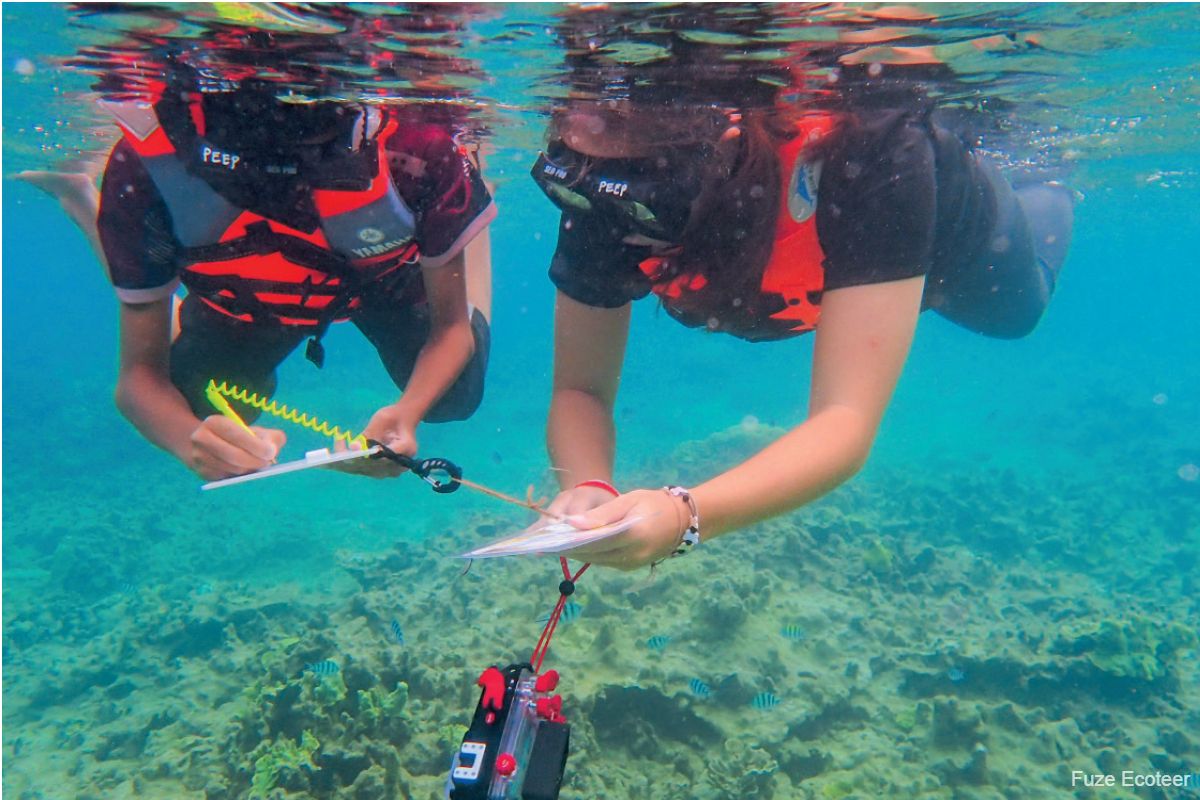
Fuze Ecoteer
For Fuze Ecoteer co-founder Daniel Quilter, the connection began with a gibbon sighting in 2005 in Sukau, Sabah.
“It was an early morning encounter and I heard a pair of gibbons. Eventually, they swung over to me. It was a very rare sight and that was the moment I decided to set up Ecoteer,” says Quilter.
That same year, Quilter started Ecoteer, a platform where travellers could find meaningful internships around the world.
Eventually, his personal interest in ecotourism led to the company being rebranded as Fuze Ecoteer, which combines environmental education, conservation and community empowerment. Its philosophy is straightforward: connecting people with nature.
“When people learn about nature, they begin to love it — and when they love it, they want to protect it,” he says.
That philosophy is reflected in the way Fuze Ecoteer approaches conservation. Rather than treating nature as something that people simply observe from a distance, its programmes are designed to put participants directly into conservation work.
The organisation runs conservation programmes, educational camps, volunteer experiences and corporate team-building activities across Malaysia. These include beach and river clean-ups, biodiversity surveys, recycling workshops, environmental education and other practical conservation activities.
Fuze Ecoteer’s work also extends to helping people navigate Malaysia’s marine parks more responsibly. Its Marine Parks of Malaysia website serves as a community-centred hub that brings together information on conservation projects, sustainable tourism and eco-friendly businesses across the country’s marine parks.
The aim is to make it easier for visitors to understand the places they are visiting and support the local communities and conservation groups working there. Rather than simply telling people to stay away from fragile ecosystems, the platform encourages them to make more informed choices about where they stay, who they travel with and how they interact with the environment.
Fuze Ecoteer’s work in the Perhentian Islands illustrates the connection between conservation and local communities. Since 2015, its turtle conservation efforts have helped release 230,098 turtle hatchlings into the sea, according to Quilter.
With support from Yayasan Sime Darby and a collaboration with Universiti Malaysia Terengganu, the organisation also became the first team to satellite-track 20 male and female green turtles in the islands.
The conservation efforts have also created opportunities for islanders. Fuze Ecoteer has trained some islanders to scuba dive while developing a flexible gig-economy model in which local divers can remove ghost nets and repair buoy lines in the marine park while earning additional income.
Fuze Ecoteer’s work has also extended beyond direct conservation. Through “Upcycled by FE”, discarded materials are transformed into useful products, keeping waste away from landfills, rivers and the sea. Since 2022, the initiative has removed more than 65 tonnes of waste from rivers, employed up to 40 people from B40 communities and channelled more than RM300,000 into communities through employment and economic opportunities.
Quilter says the challenge is ensuring that environmental initiatives amount to more than a single day of activity. A clean-up, for example, can remove waste from a beach, but the longer-term impact depends on whether it is accompanied by education, changes in consumption and effective recycling systems.
Individuals and families can join Fuze Ecoteer’s programmes through its website and social media channels, while schools, universities and companies can arrange tailored workshops, clean-ups, multi-day conservation programmes and team-building activities. Its current programme offerings include volunteer projects focused on marine conservation, turtles and wildlife, alongside school, university and corporate programmes.
People can also support its conservation work through products and initiatives linked to its projects. The organisation’s corporate volunteering programmes allow companies to develop activities around their own social and environmental objectives, while its broader conservation work allows participants to contribute time and skills rather than simply make a donation.
Fuze Ecoteer’s longer-term ambition is to encourage more sustainable island travel, strengthen community partnerships and reduce the pressures associated with mass tourism.
“We hope Malaysians will take pride in our extraordinary biodiversity and recognise that each of us has a role in protecting it,” says Quilter.
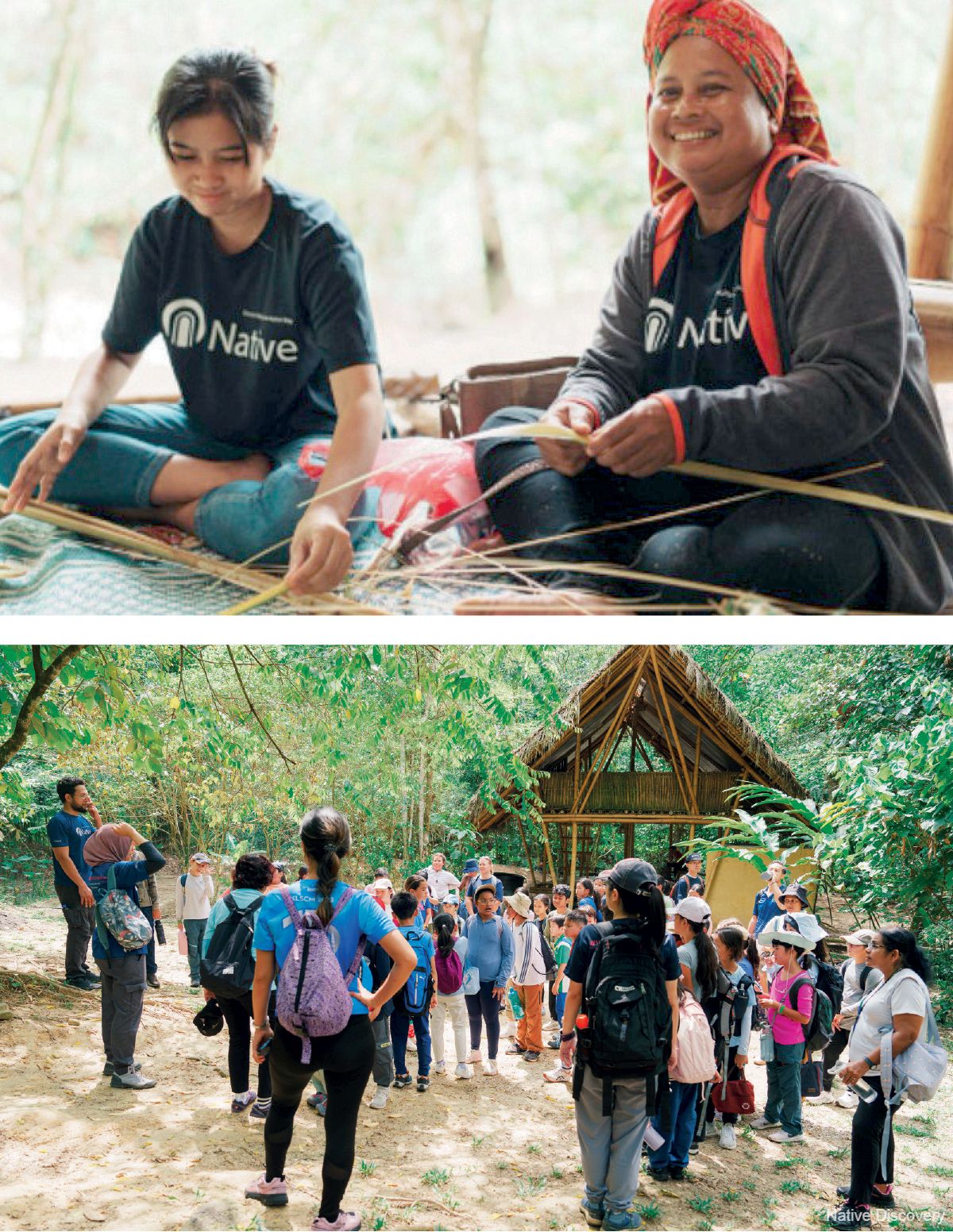
Kongsi Co-op
Established in 2022, the community-owned cooperative Kongsi Co-op describes its purpose as reconnecting people, land and nature through shared ownership and collective action. Its work is rooted in the idea that the way people eat, shop and support farmers is also part of their relationship with the natural environment.
One of its main activities is community-supported agriculture, through its weekly Kongsi Food Bag subscriptions. Consumers support local organic farmers, producers and artisans, sharing some of the risks faced by farmers.
Under the model, consumers pay for a share of the harvest before the growing season begins. If bad weather or pests result in a poor harvest, members receive less food rather than a refund. If the harvest is particularly good, they may receive more.
The arrangement changes the relationship between consumer and farmer. Rather than simply buying produce after it has been harvested, consumers become part of the agricultural cycle and share in both its uncertainty and abundance.
That relationship with land is also at the centre of the cooperative’s “Fund A Land with Kongsi” movement, launched in 2024. According to Kongsi Co-op’s secretary Chin Wei Ling, the initiative aims to galvanise the community to secure ecological, productive farmland and eventually place it under a community land trust. “The objective is to protect farmers practising ecological agriculture from losing their land to development and land speculation,” says Chin.
Its first target is GK Organic Farm, which Kongsi is working to secure through a RM3.65 million fundraising effort via Fund a Land. As at June, the campaign had collected about RM1.29 million, with the cooperative continuing its efforts to secure the land for long-term community stewardship.
Education forms another part of Kongsi’s work. Through its Kongsi Academy, the cooperative offers courses on essential living skills and inner development, while also working with corporate partners as a HRDC-registered training provider.
But changing the way people think about food, land and consumption is not easy.
“Our two main challenges are reaching out and connecting with the public, and changing consumer mindsets and consumption behaviours,” says Chin.
Its response has therefore been to create more opportunities for people to learn and participate, rather than simply asking them to support an environmental cause. Kongsi Academy’s programmes are intended to encourage consumer education and adult learning, while its corporate outreach work brings similar ideas into workplaces.
For the public, there are several ways to get involved. Malaysians aged 18 and above living in Kuala Lumpur or Selangor can apply to become Kongsi Co-op co-owners after attending its Green Carpet introductory session. The cooperative’s Fund a Land campaign also provides other ways to support the movement, including merchandise and activities.
People can also subscribe to Kongsi Food Bag, attend Kongsi Academy workshops and participate in events connected to the land movement. Kongsi has also been organising activities to bring urban communities closer to farms, including visits to GK Organic Farm.
Another initiative planned by Kongsi is “Walk for Land”, a community walk that will begin in Penang in mid-November and end at GK Organic Farm in Dengkil, Selangor in early December. Its purpose is to raise awareness of farmers’ and indigenous communities’ need for secure access to food-producing land, while connecting urban communities with local farms.
The idea of participation is therefore central to Kongsi Co-op’s approach. As Chin puts it, “Our two main challenges are reaching out and connecting with the public, and changing consumer mindsets and consumption behaviours.”
The co-op seeks to address this through its Community-Supported Agriculture initiative, Kongsi Academy, community activities and the Fund a Land movement, giving people different ways to engage with farmers, food and the land.
Participation in Kongsi’s efforts can range from buying produce and joining educational activities to becoming a co-owner, volunteering or supporting the effort to secure agricultural land. Through these efforts, Kongsi hopes to make people more conscious of the relationship between what they consume, the farmers who produce it and the land on which it is grown.
Its longer-term focus remains on food sovereignty and securing ecological, productive farmland for future generations. As Kongsi continues to build awareness around these issues, initiatives such as Walk for Land are intended to bring the conversation beyond the farm and into the wider community.
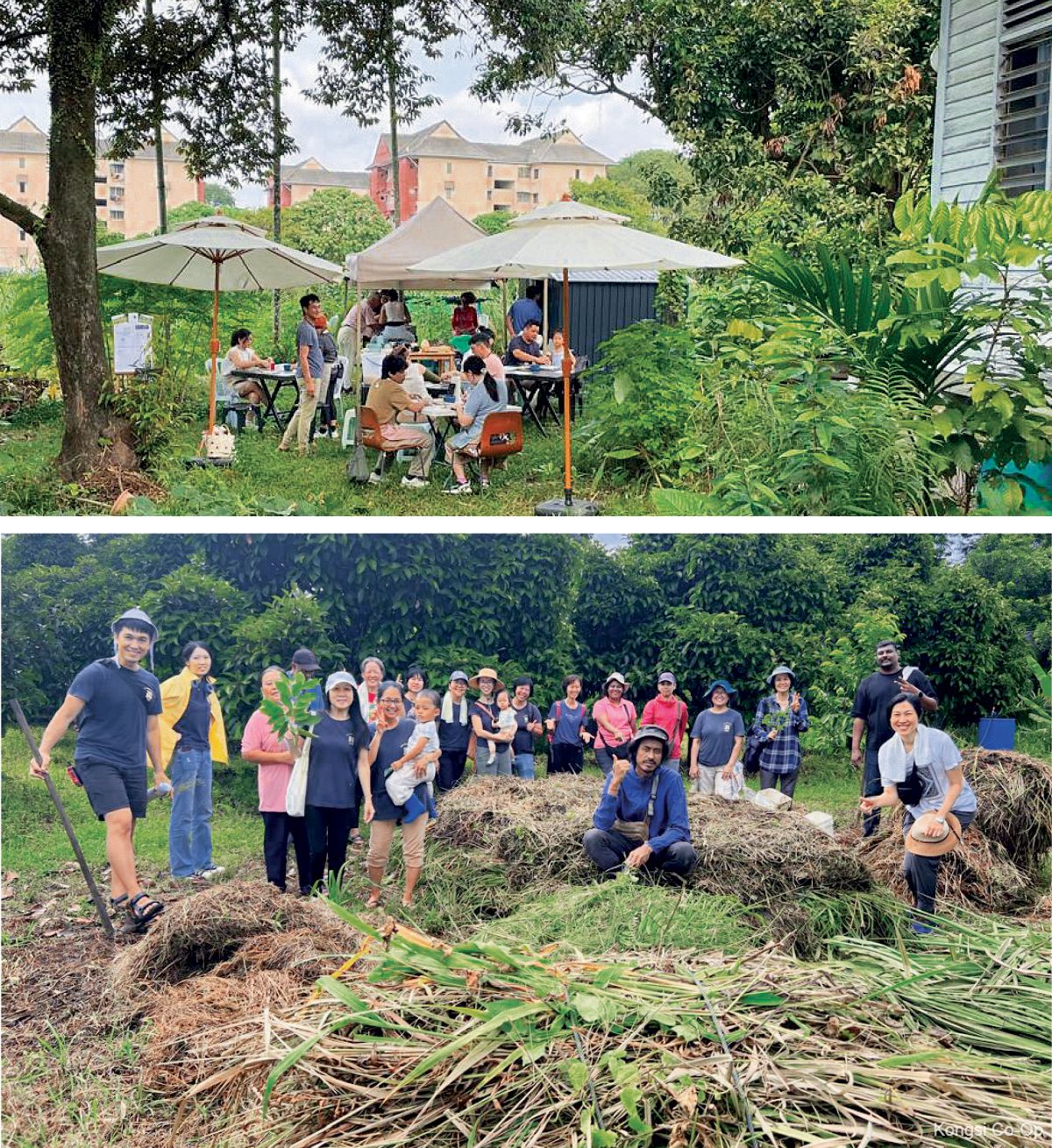
Native Discovery and Native Allies
For Native Discovery and its sister initiative Native Allies, reconnecting with nature also means reconsidering whose knowledge and relationship with the land are being recognised.
Native Discovery was founded by Daniel Teoh following an encounter with the Orang Asli, and is focused on building the community’s social and economic capital. Rather than operating as a charity, it describes itself as a shared-prosperity social enterprise in which the Orang Asli are equal business partners.
The approach is deliberately different from conventional leadership programmes. Native Allies was established to create spaces grounded in indigenous ways of thinking, allowing Orang Asli leaders to define success on their own terms rather than through non-indigenous perspectives.
For Lily Zahara Razali, a programme coordinator at Native Discovery and a committee member of Native Allies, this also means being conscious of the role that non-indigenous people play. One of the challenges, she says, is “ensuring non-indigenous organisers function strictly as allies rather than trainers”, while remaining open to self-reflection, adaptability and advice from Orang Asli elders and leaders.
The distinction is important because Native Discovery also sees a need to change how Orang Asli communities are represented. Rather than focusing only on their struggles, the organisation seeks to recognise their strengths, cultural knowledge and role as custodians of their communities and traditions.
For the public, participation can begin with something as simple as joining an Orang Asli-led cultural experience. Non-indigenous Malaysians can also sign the Orang Asli Allyship Pledge, provide professional expertise, support projects through corporate social responsibility programmes or philanthropy, or engage through Native Discovery’s community tourism programmes.
For Orang Asli aged 18 and above in Peninsular Malaysia, the Native Fellowship Programme provides another route. Applicants with community connections and project ideas can apply during open recruitment, going through an application, virtual interview and final board review. The six-month programme is intended to strengthen indigenous leadership while creating a network through which fellows can continue contributing after the programme.
Native Allies plans to expand its fellowship cohorts, build an active alumni network in which former fellows can return as mentors, community hosts and programme advisers, and document community case studies to further develop indigenous-led leadership models.
Save by subscribing to us for your print and/or digital copy.
P/S: The Edge is also available on Apple's App Store and Android's Google Play.